Sometimes our “dates” are things we do together locally. My wife and I appreciate gardens and the work it takes to keep them beautiful (she has quite the green thumb and a good amount of experience with Florida gardens). We had an acre on the water in Deland with 23 or so fruit trees, butterfly garden, rose garden, cutting garden (for vase flowers), and a vegetable garden. She had everything mapped out with well over 200 flowers, plants, trees, etc. and it was beautiful and peaceful. So, we always love going to zoos and gardens. It makes for a great afternoon date together enjoying the magic of nature.
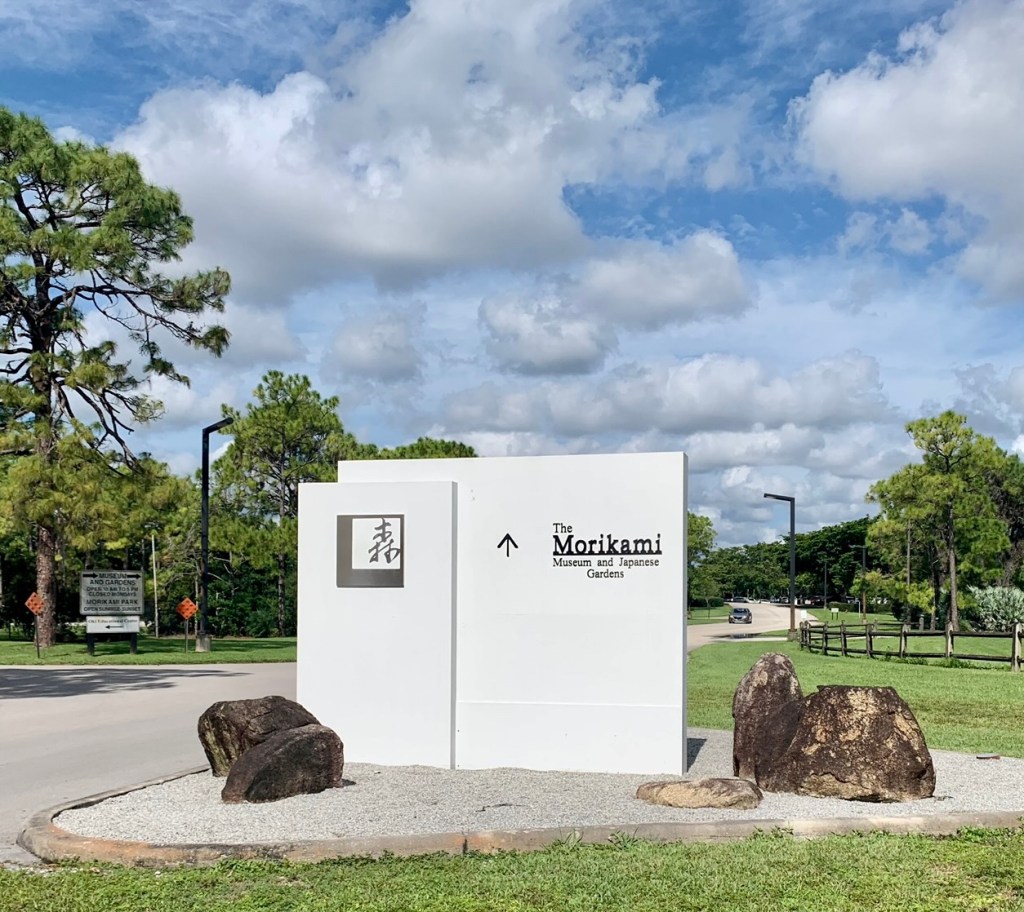
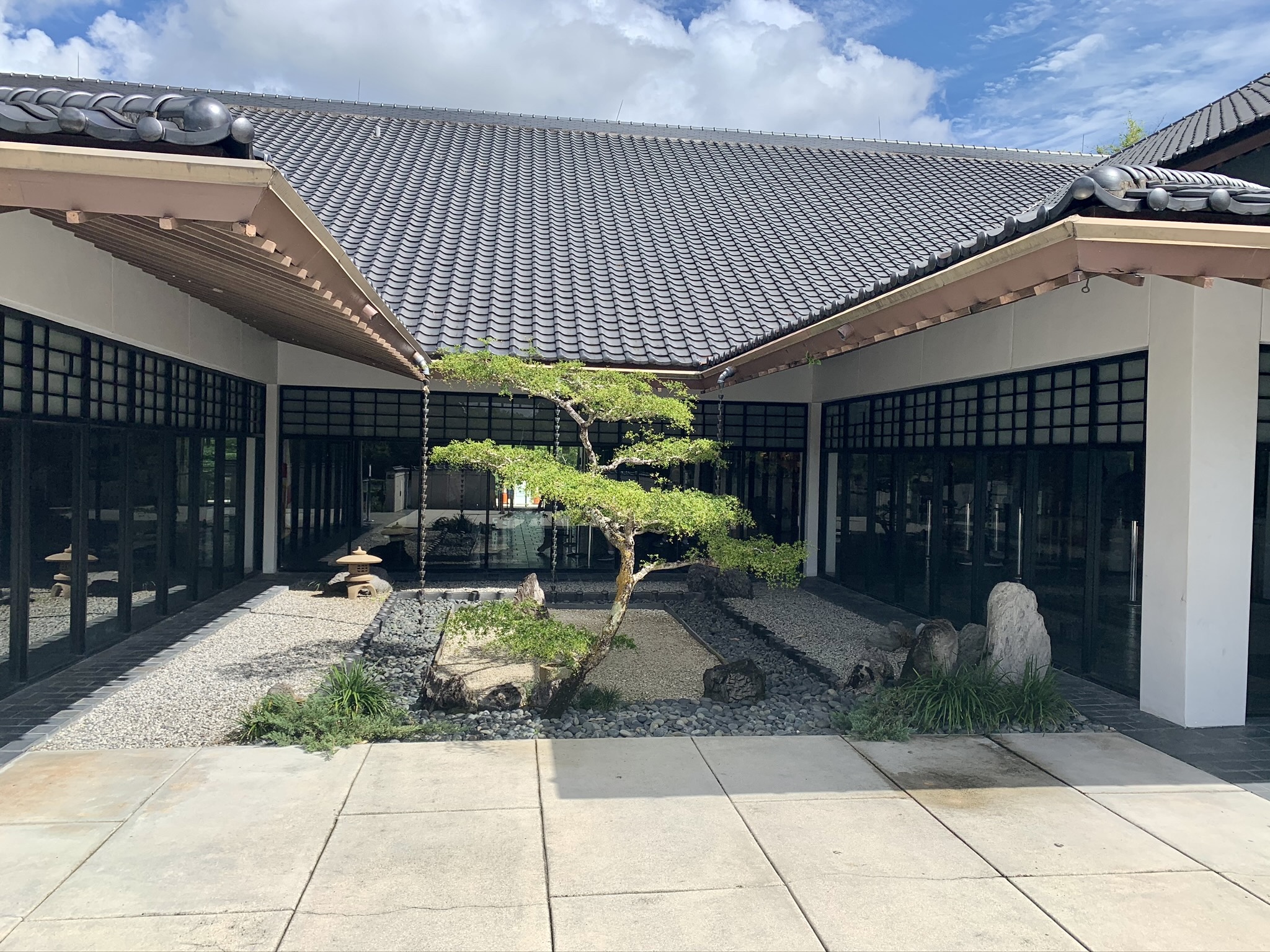
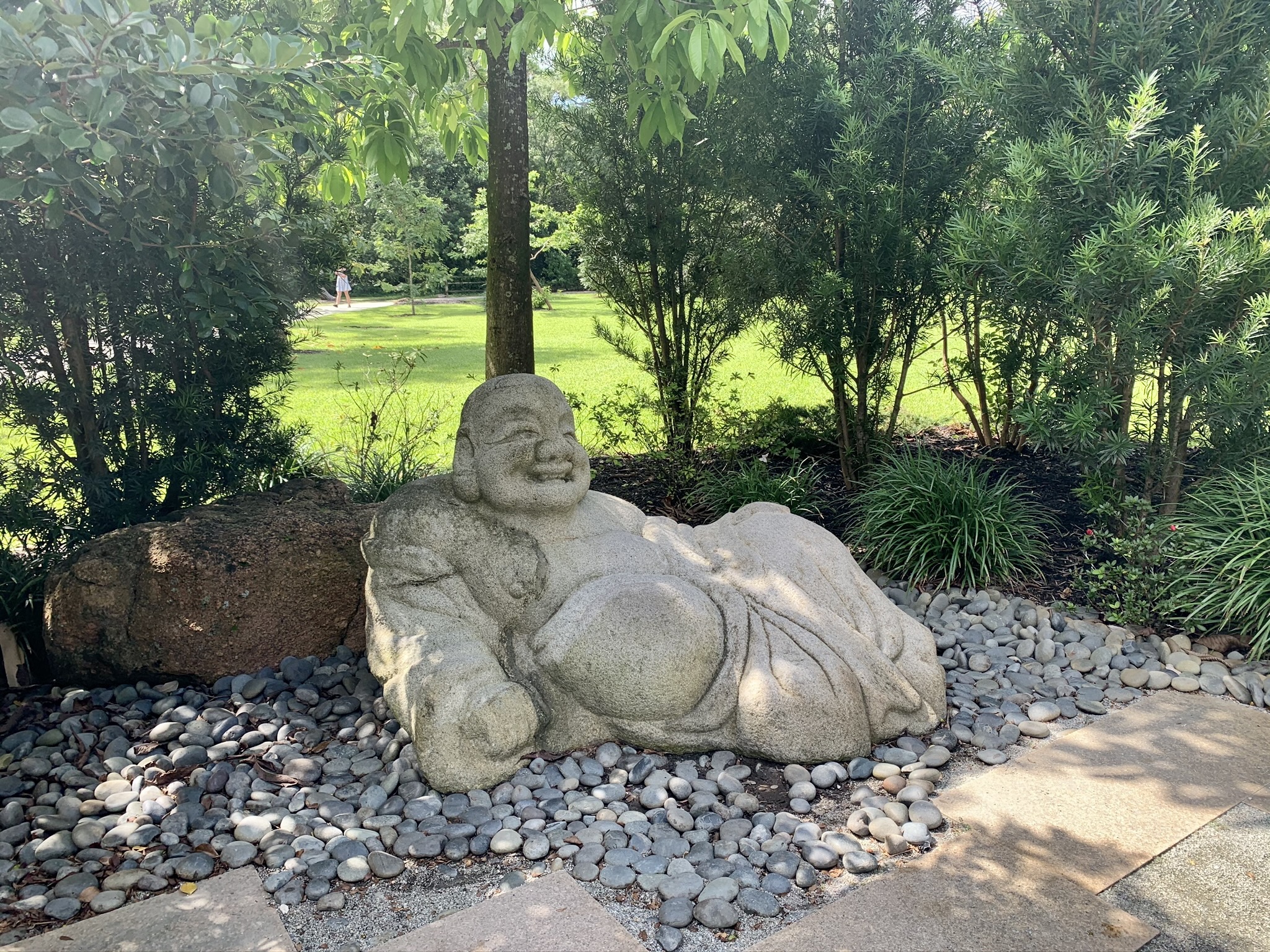
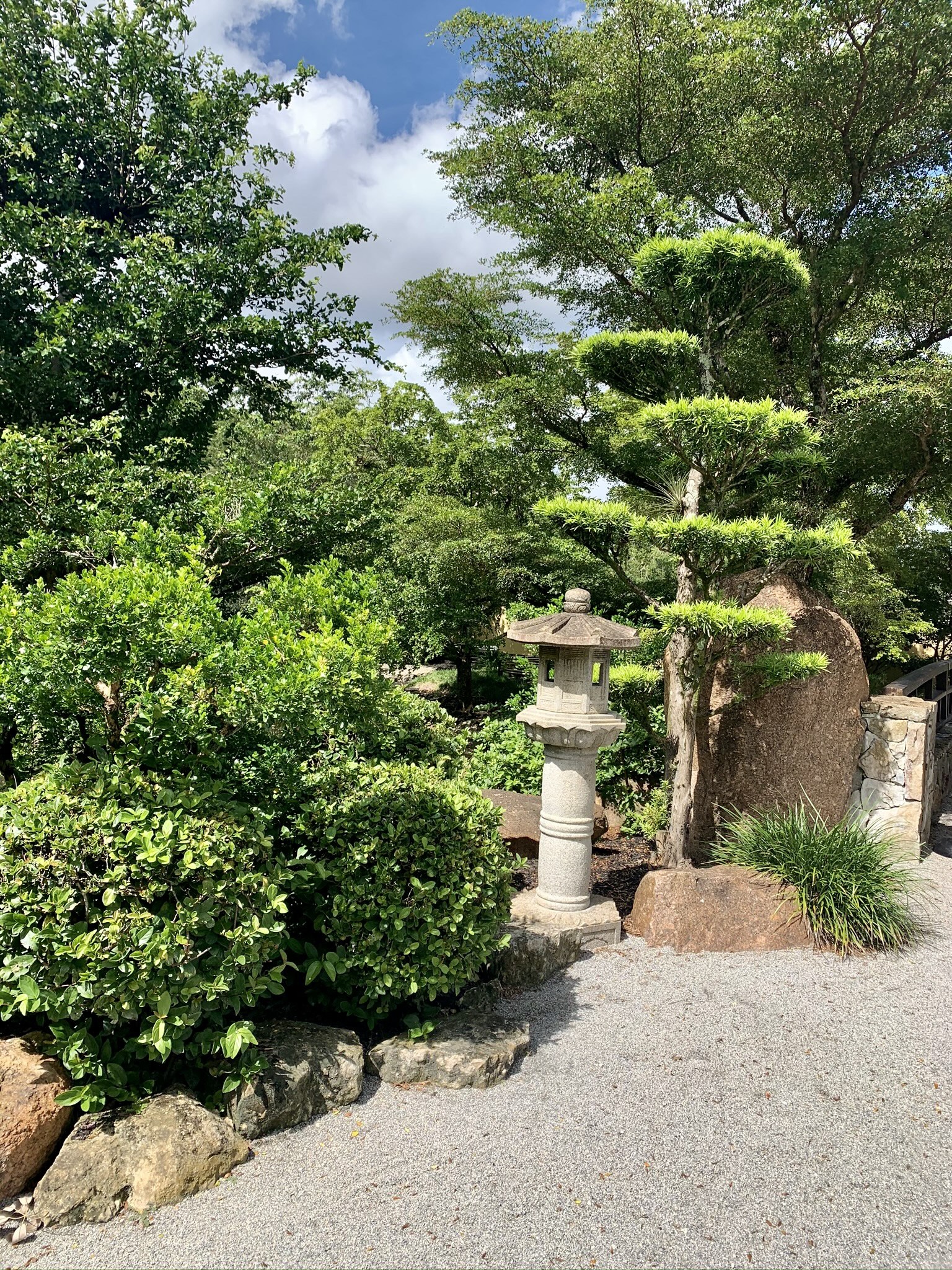
The Morikami Museum and Japanese Gardens is a center for Japanese arts and culture located west of Delray Beach in Palm Beach County. The 16-acre authentic Japanese gardens were opened in 1977 when one of the original colony settlers donated his land to Palm Beach County with the wish for it to become a park to preserve the memory of the Yamato Colony. In the early 1900s, a group of young Japanese farmers arrived in Boca Raton and formed an agricultural colony they called “Yamato”, an ancient name for Japan. Unfortunately, the farming proved to be unsustainable and almost all of the original settlers returned to Japan. Today, visitors enjoy the Roji-en gardens, museum art and galleries, an authentic tea house, and year-round cultural events and festivals.
We waited out front to purchase tickets while they observed social distancing and greeted each visitor while providing great information to give you the best possible experience. Each adult was $15, or you could purchase a membership. Since it was $30 for one day and $95 for a dual membership (which includes free admission for a year, Members-only priority access to the Lantern Festival, Exclusive invitations to members-only receptions and events, and discounts at the museum gift shop and café. We opted for the membership and were guided to the cashier where we also purchased a couple bags of fish and turtle food (for only $1 each).
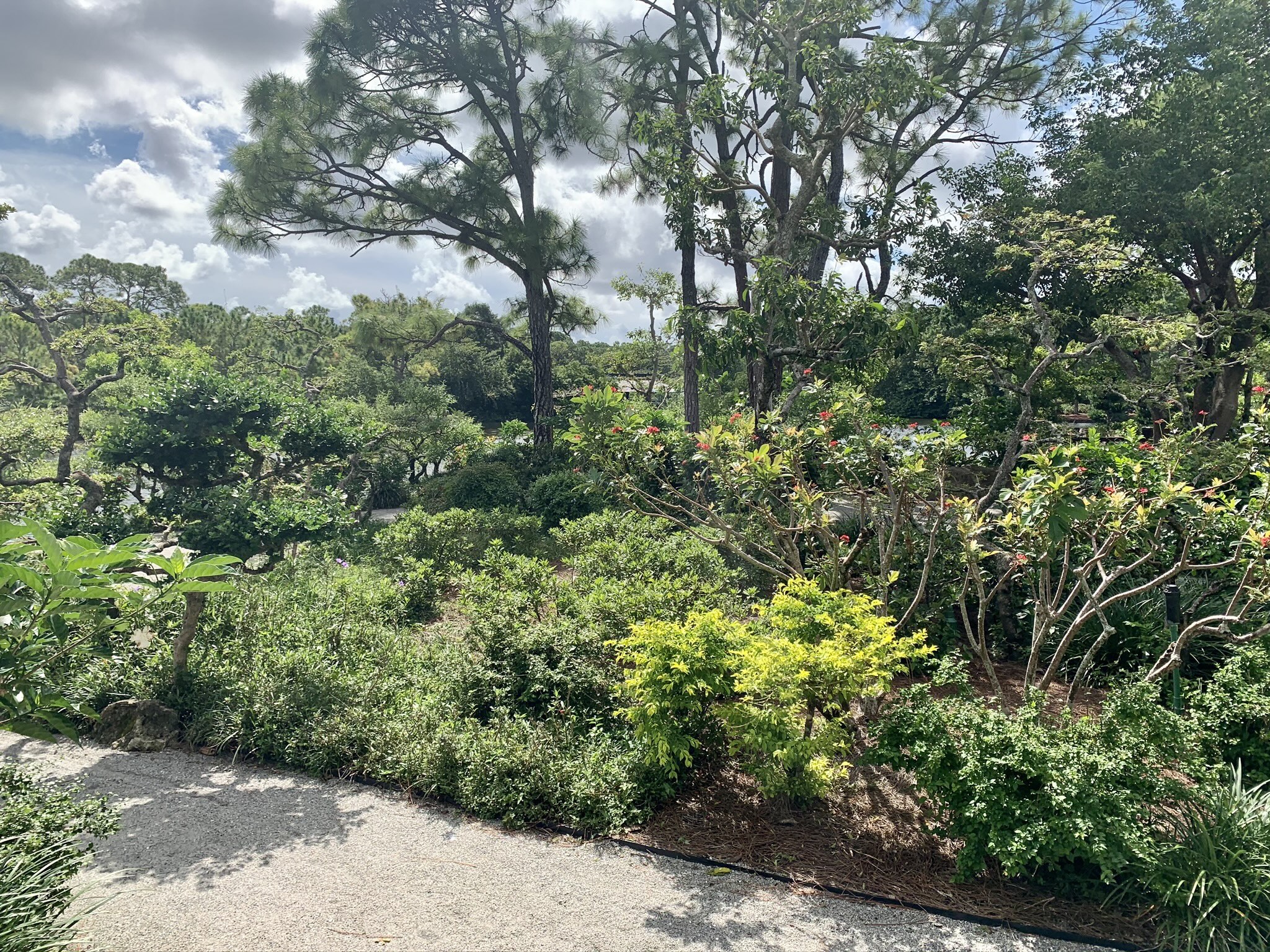
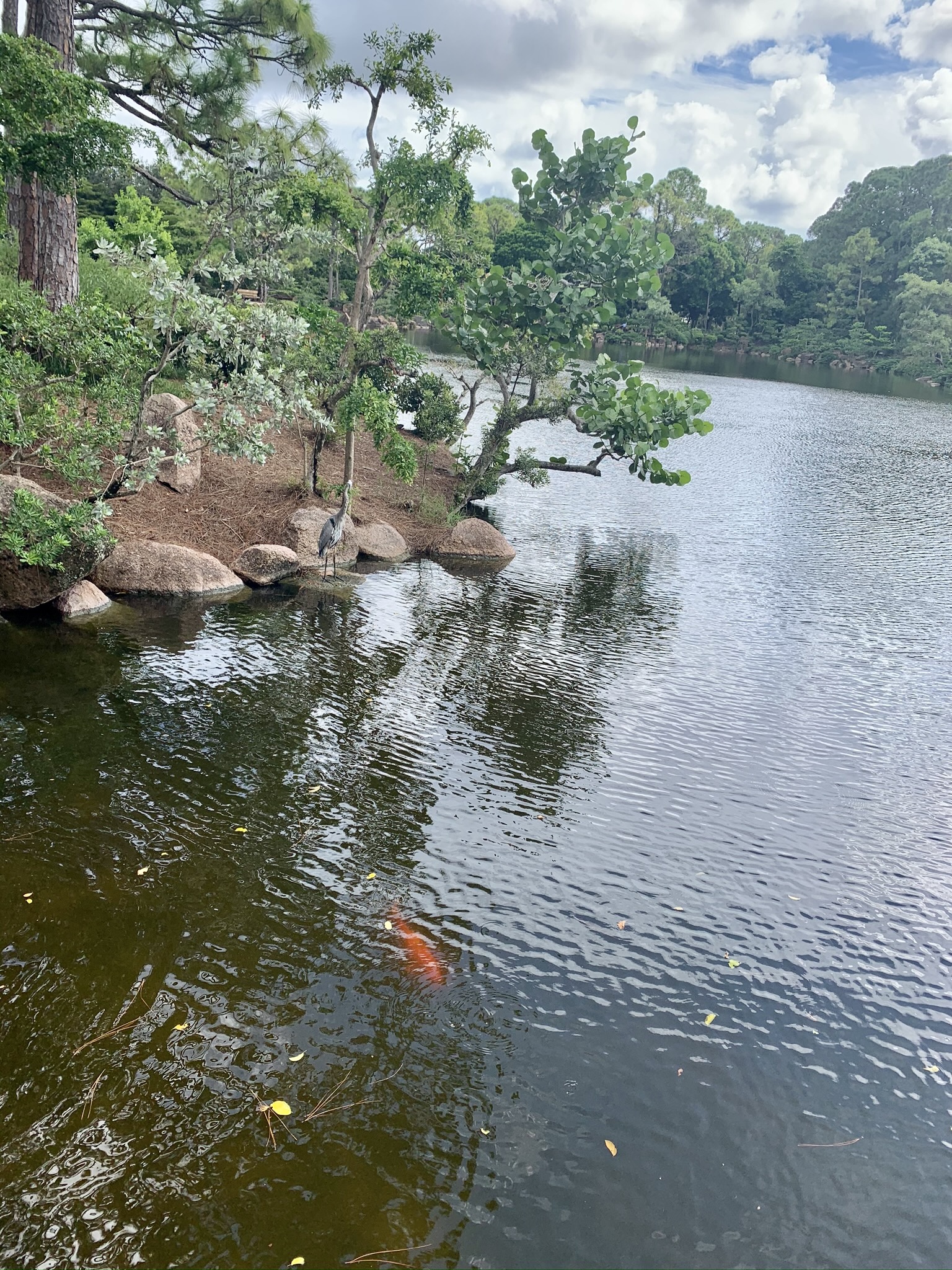
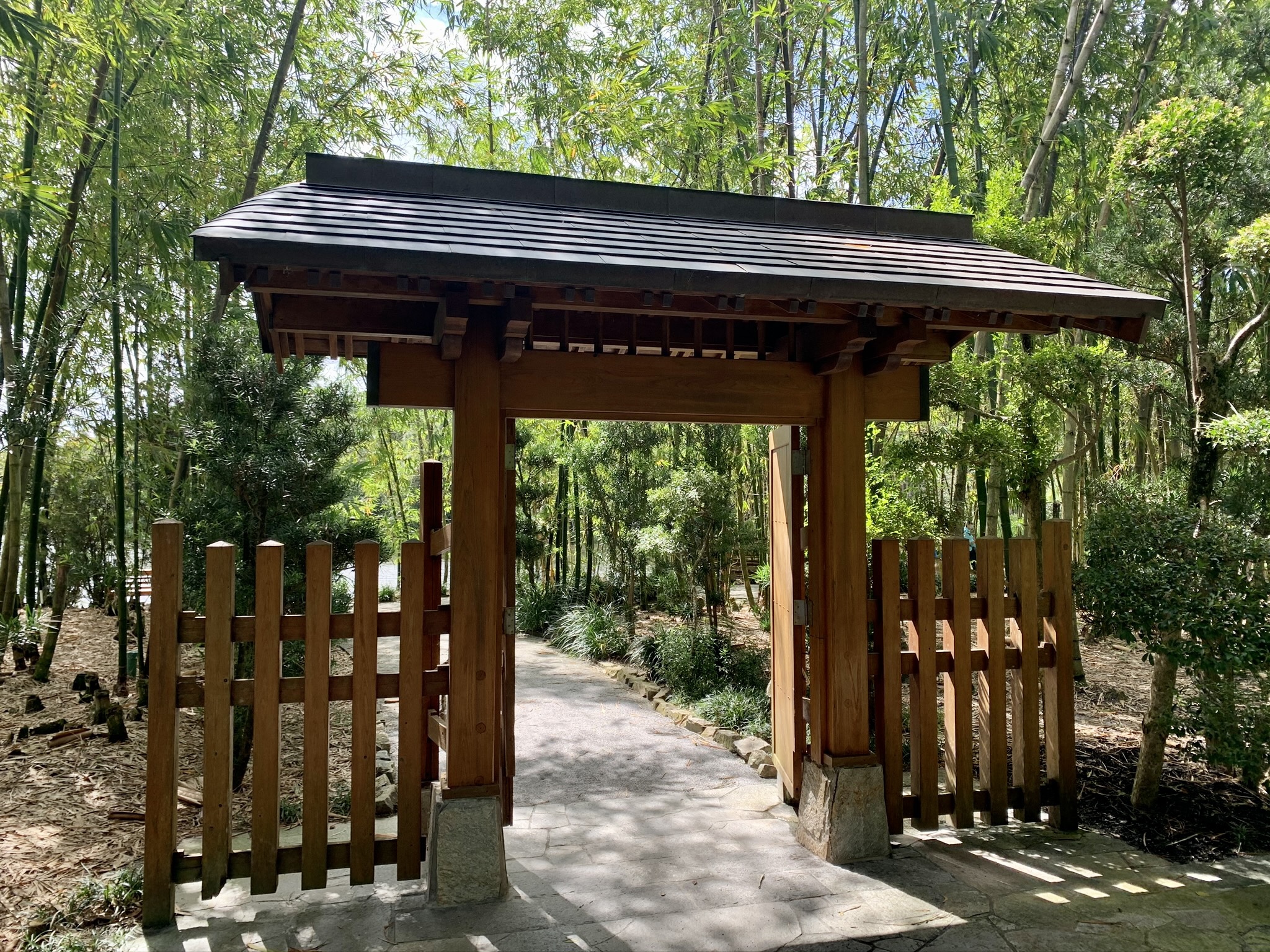
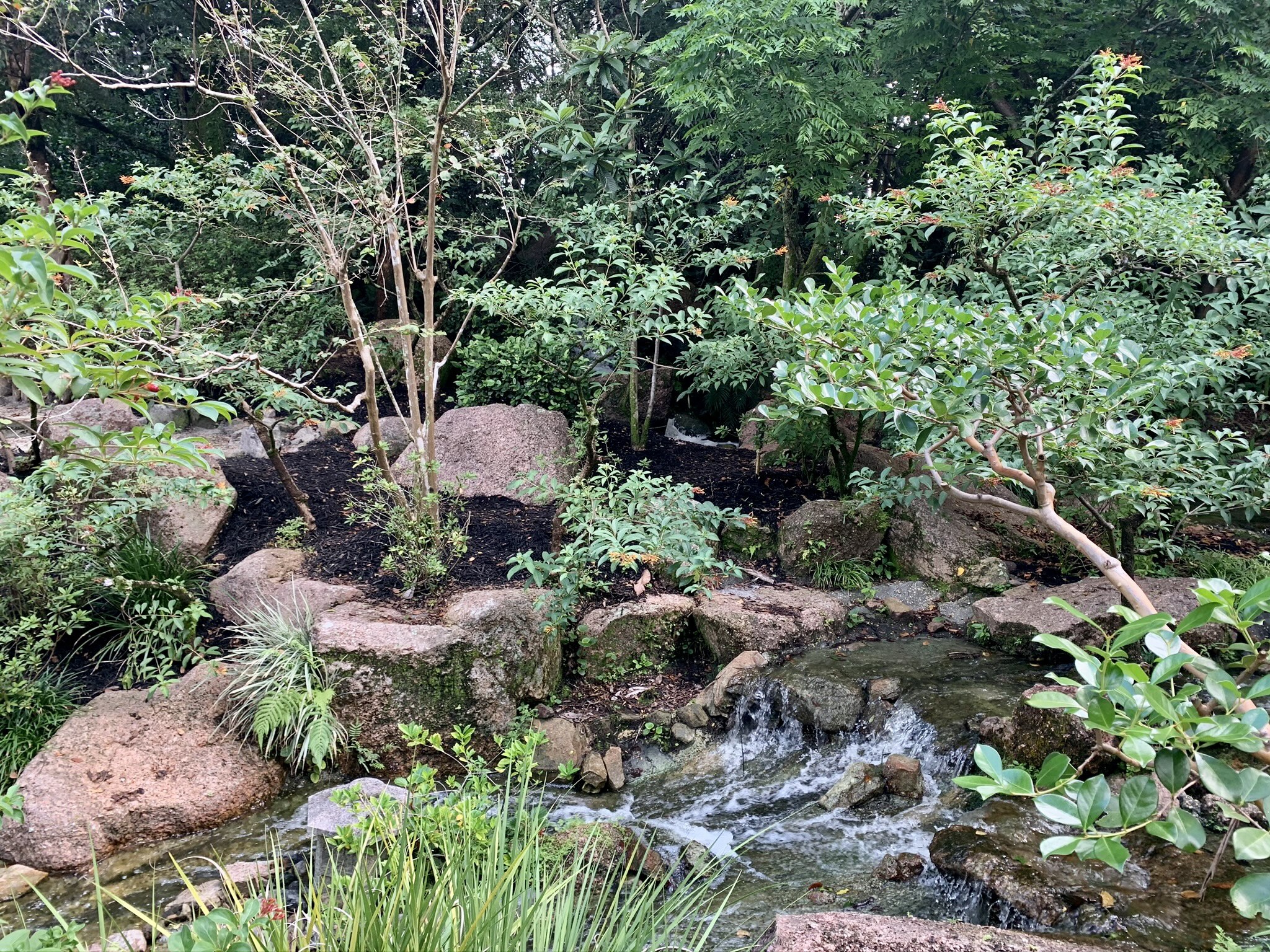
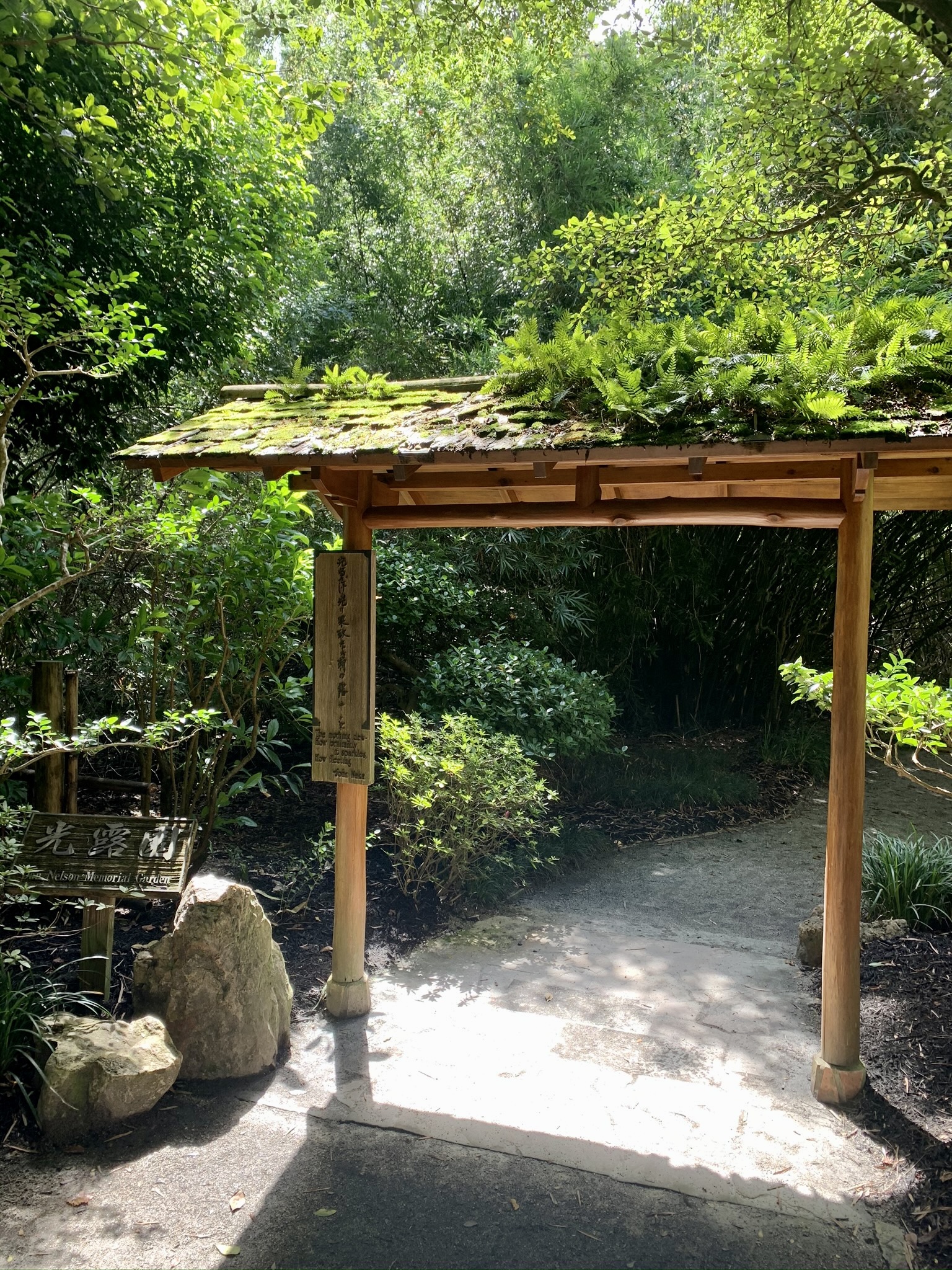
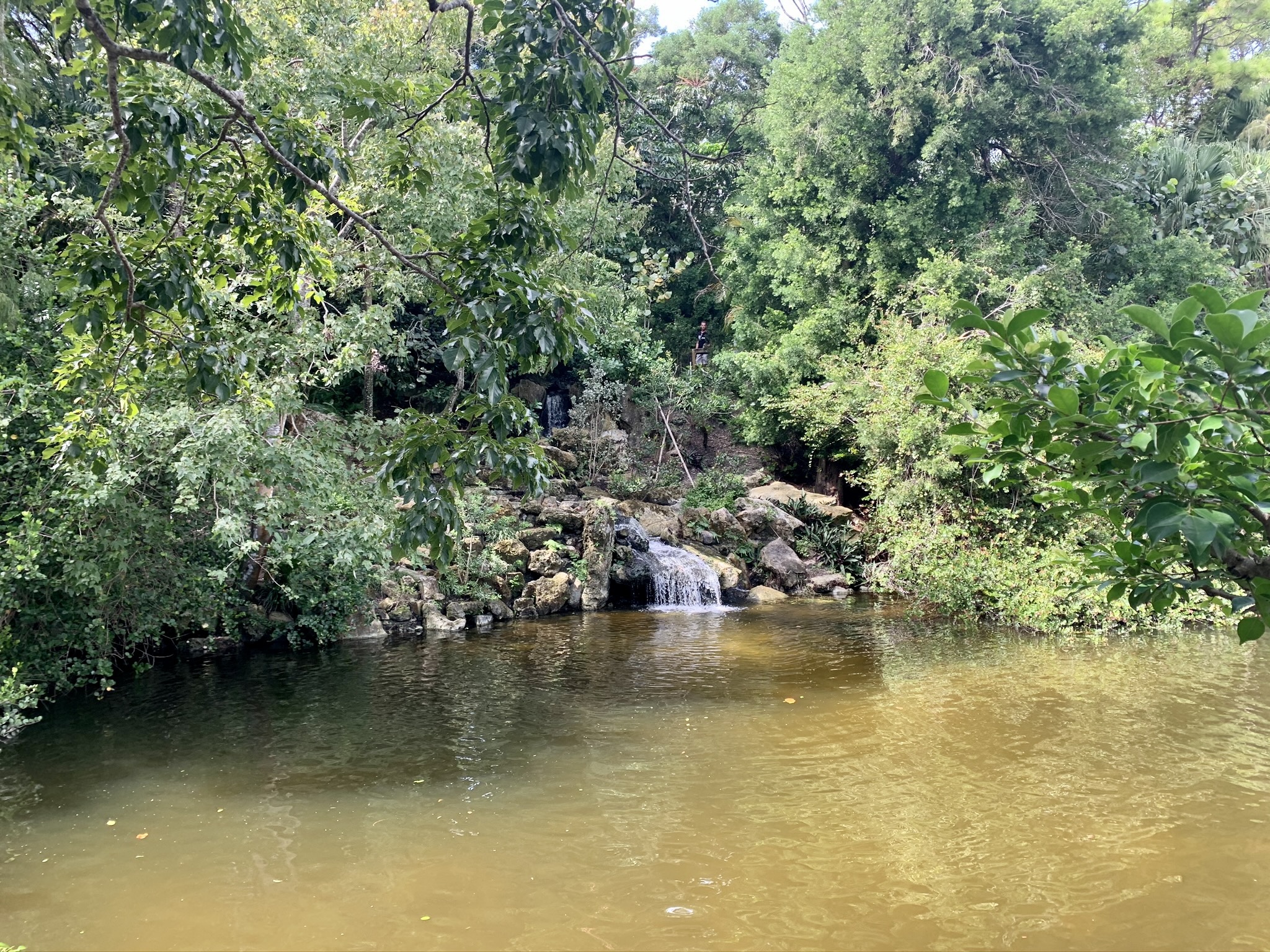
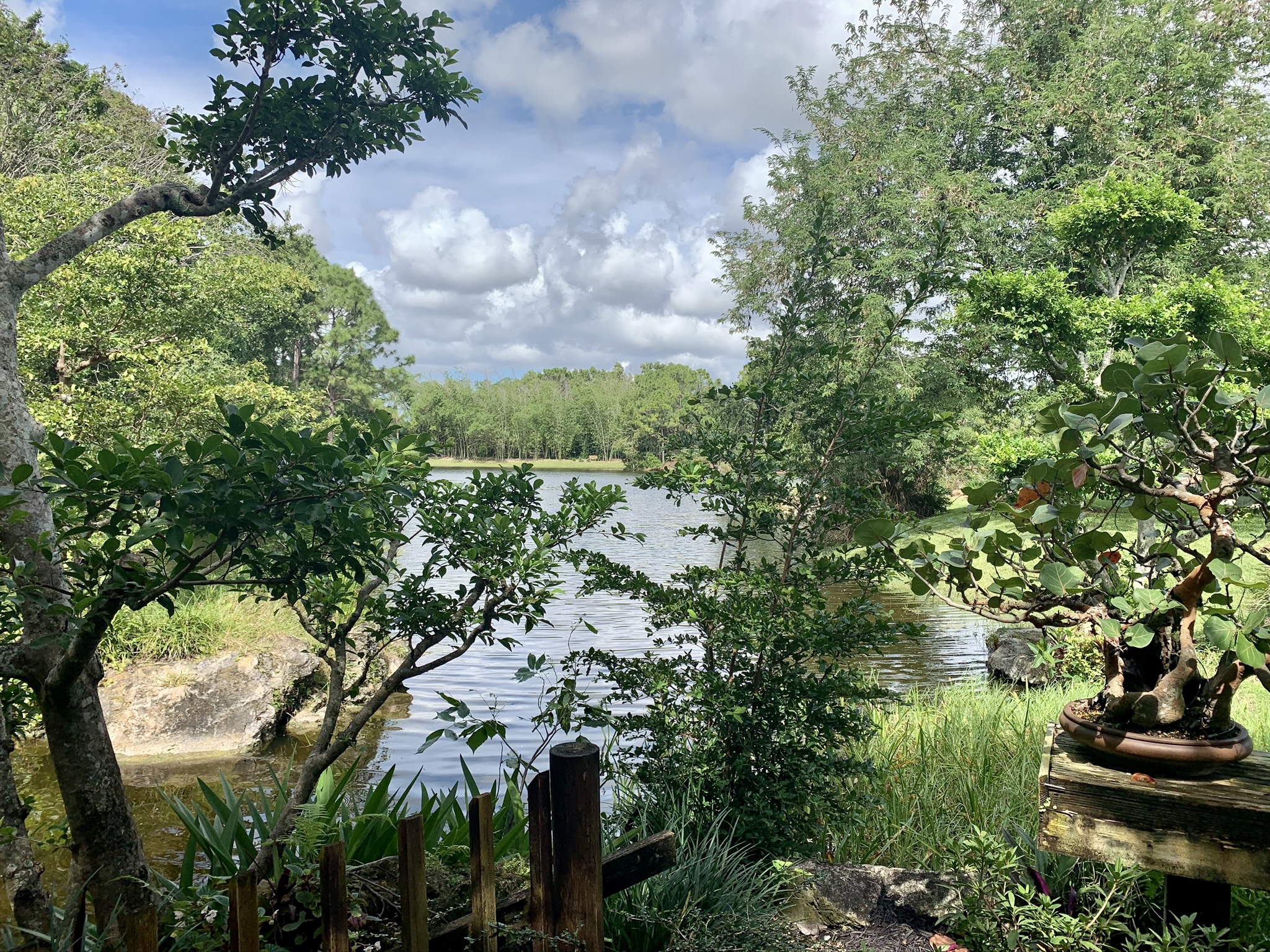
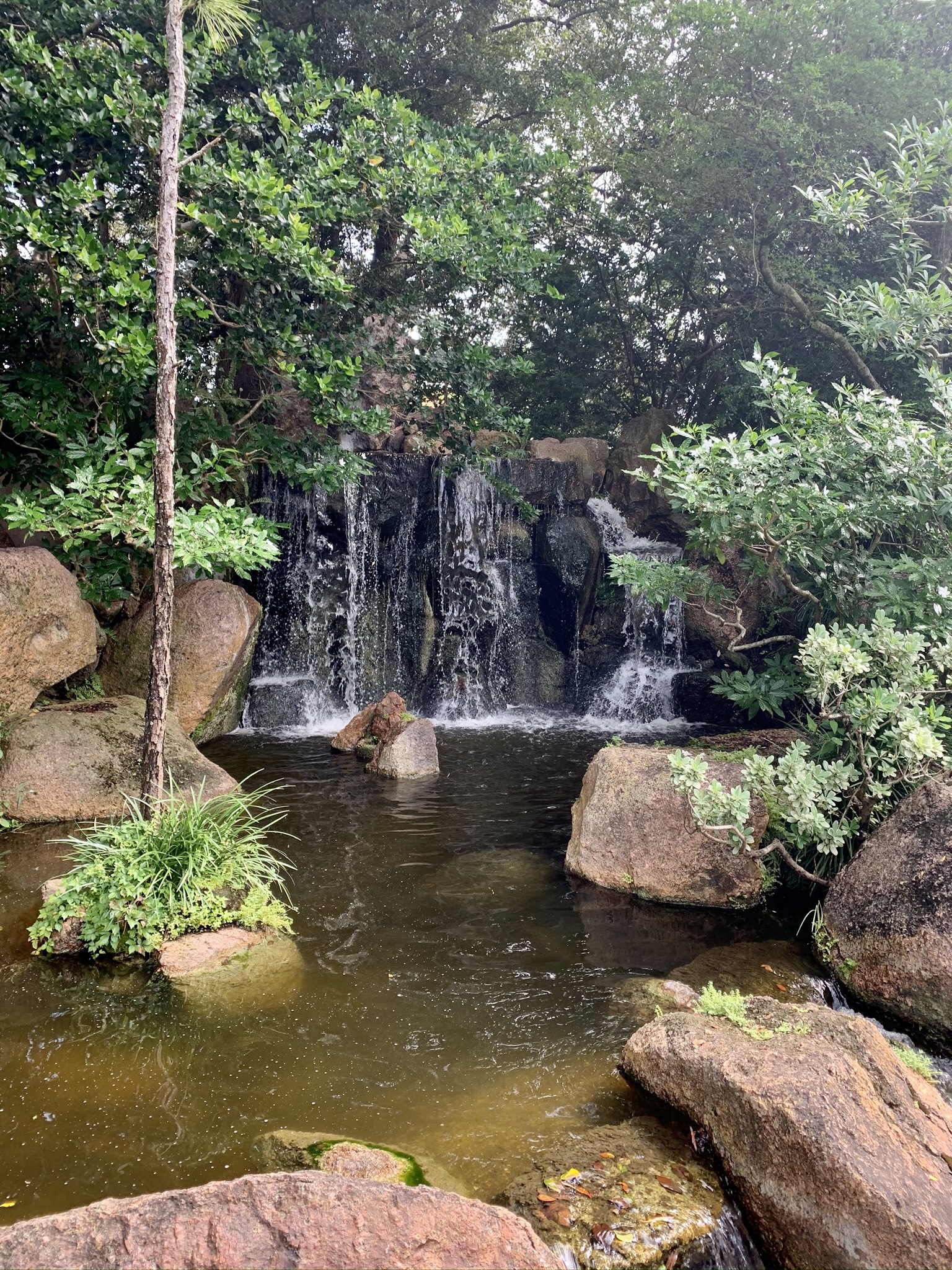
Upon entering the gardens you are suddenly aware of how large it really is. There is a large pond/lake area in front of you and the trails that circle it. On the right is a small café with excellent views and a good Japanese based menu. We decided to walk around the Roji-en: Garden of the Drops of Dew. There is a free self-tour app you can download and get insider information about the tea house and galleries, images, and audio content about the 25 different points to observe and enjoy on the map. There is a beautiful bridge that marks the entrance to the gardens, and we made our way around the paths in a slow and enjoyable way. I especially liked the bamboo grove and the sounds of the stalks as they knock against each other in the breeze. My wife appreciated the serenity of the lake and water features (including a couple of nice, and relatively large waterfalls).
We quickly discovered that wearing the ever-popular flip flops (basic Florida weekend gear) was a poor choice for a long walk on a pebble path and we would recommend wearing comfortable closed toe shoes. We also really enjoyed the brightly colored Koi and turtles in the lake. There are plenty of great spots to feed them and see them come relatively close but fair warning about the fish food as it smells really bad and will make your hands smell bad also (still worth it).
We circled back to the café for lunch. I ordered the crab cakes and crispy shrimp appetizer (basically fried food) and the chicken gyoza (pan fried dumplings). My wife ordered the classic bento box (which was quite large) and truthfully, we could have probably shared just that. We found a nice spot in the café seating with a nice breeze and relaxed while we enjoyed our day together. The walk around the paths are incredible and there are many things to see and learn about. Unfortunately, due to Covid there are restricted activities going on right now, so we are looking forward to several trips over the next year to do and see everything.
If you are looking for a peaceful afternoon date this should be on your list. As the Japanese believe, “Kachou Fuugestu” meaning “find yourself in nature”.













 Date Nights Palm Beach